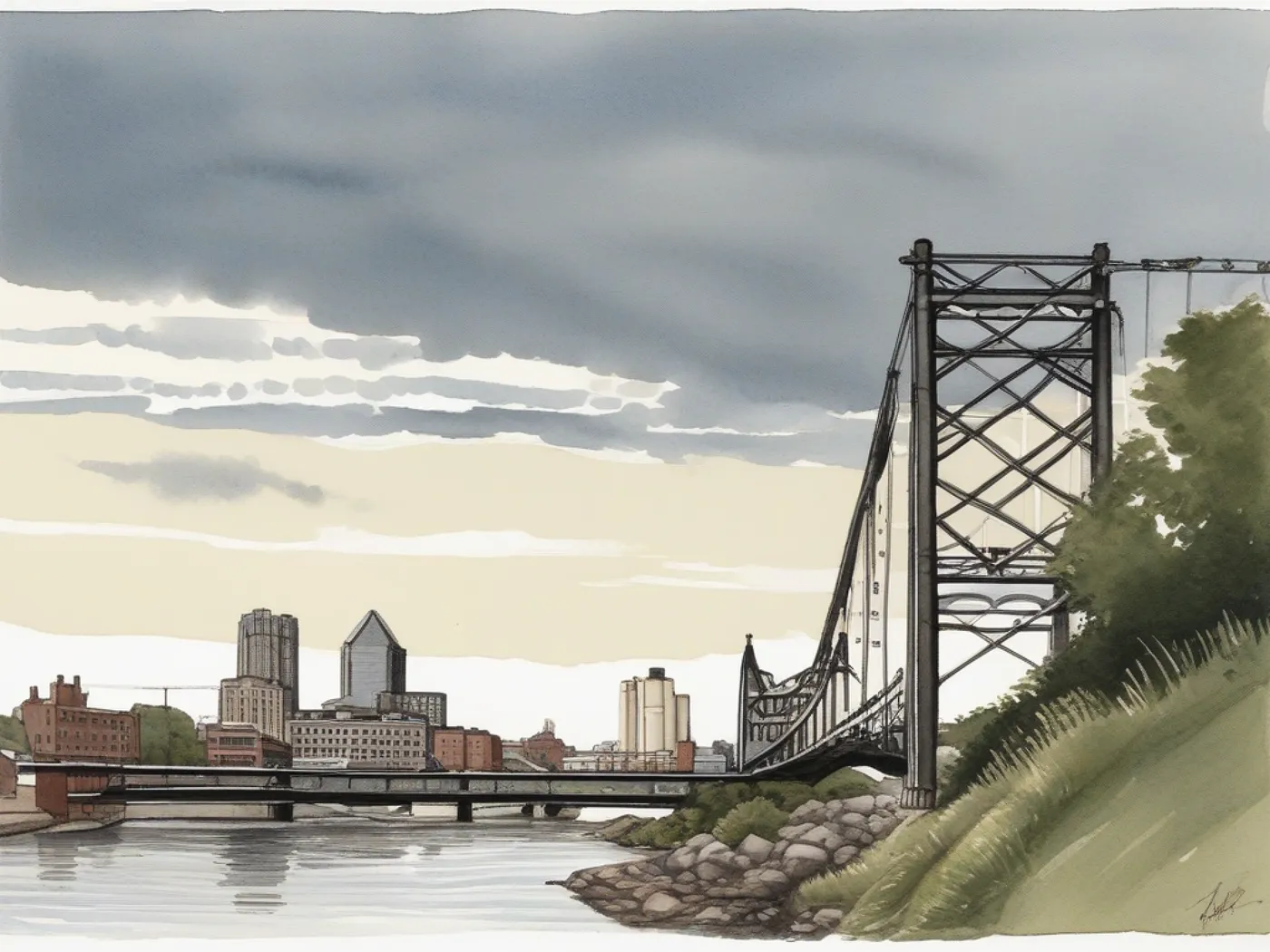
I did not grow up in Pittsburgh.
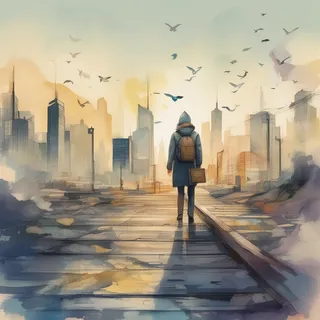
I came here as an adult, with college debt, a meager job offer, and more than a little uncertainty. By the time I was learning to code in earnest and building a career, I was watching former industrial spaces turn into trails, riverfront paths, labs, and small tech offices. People pushing strollers where shift whistles used to run the clock is not my childhood memory. It is what I learned to notice after I moved here.
Pittsburgh is never that neat. A high-tech marketing agency used to be a cigar factory with conference rooms named "Macanudo" and "Cohiba" as a nod to the building's past. A drive around Pittsburgh is like time-travel, and you can watch three versions of history from one traffic light.
That leaves a mark on how you think.
In software, we love to pretend our stack choice is destiny. We debate frameworks like we are choosing moral philosophy. We treat architecture diagrams like monuments.
Then three years pass.
The framework gets replaced. The core service becomes legacy. The "temporary" integration becomes mission critical. The clean system gets patched by people who were in middle school when it shipped.
Pittsburgh taught me to treat systems as living things, not statues. If a thing is useful today, great. If it should change tomorrow, change it.
Do not confuse age with value, and do not confuse novelty with progress.
Career plans, routines, habits, even identity can become stale if they stop serving the life you actually live.
Durability is not "never changing."
Durability is the ability to keep adapting without losing your sense of self in the process.
The Collapse Is Not The Whole Story
When people tell Pittsburgh stories from the outside, they often focus on one chapter: collapse.
I used to hear those same one-note versions before I moved here.
That chapter matters. A lot. Communities got hit hard. Families lost stability. Neighborhoods changed overnight.
But if that is the only tale you tell, you miss the point.
Pittsburgh is also a story about what people did next.
I've seen small businesses open where giant employers once stood. I've watched universities and hospitals become larger anchors in neighborhoods that had lost their economic center.
I have watched strong engineers rebuild after rough layoffs. I've also seen teams recover from bad launches and come back with tighter processes, better docs, and less ego.
The hard part is accepting that rebuilding is not a side quest. It is the work.
Reinvention Without Erasure
The thing I respect most about this city is that it keeps changing while staying itself.
As someone who chose Pittsburgh after college instead of growing up in it, that balance is exactly what pulled me in.
Pittsburgh did not wake up one day and announce, "We are no longer Pittsburgh." It held onto its accent, neighborhoods, weird sports obsessions, and blunt communication style. It also made room for different kinds of work.
Teams get into trouble when they confuse reinvention with amnesia.
"We are cloud-native now" can become an excuse to ignore lessons from on-prem reliability.
"We are moving fast now" can become an excuse to throw away test discipline.
"We are AI first now" can become an excuse to stop acting like humans around each other.
The question is this:
What are we changing, and what are we protecting?
For my work, I try to protect a short list:
- clear communication
- useful documentation
- steady, sustainable delivery
- respect for people doing the work
Everything else is fair game to improve.
Any family, team, or organization needs a small set of non-negotiables. Without that, change turns into drift.
The Library Model Still Wins
One of my favorite Pittsburgh facts is that public access to knowledge is baked into the city's story. Carnegie libraries were not perfect institutions, but they represented a powerful idea: knowledge should be available to ordinary people, not locked behind status.
That idea maps straight into modern technical work.
A shared codebase is a library. An onboarding guide is a library. Good open source docs are libraries. So is a plain-language project brief.
When teams hoard context, velocity slows and stress climbs. When teams document what they learn, new people ramp faster and old problems stay solved.
Parents end up writing notes that become their family's operating manual. Small business owners write processes that keep quality steady when the founder gets busy. Volunteers see shared documentation keep programs alive when one person gets overwhelmed.
Knowledge sharing is not extra work. It is how work survives handoffs.
What Pittsburgh Put In My Toolkit
There are three traits from this place that show up in how I work every day.
I did not inherit these by growing up here. I learned them by working here, raising a family here, and watching how people show up for each other over time.
1) Directness
Pittsburgh directness gets mistaken for rough edges. I think it is usually care with less theater.
If a plan has holes, say it. If a timeline is unrealistic, say it. If a teammate needs help, offer it before the sprint slips.
Direct communication reduces drama. You spend less time decoding and more time solving.
2) Pragmatism Over Performance
Around here, people tend to care whether something works. Fancy language is optional. Results are not.
In software, this means fewer architecture speeches and more operational readiness. In life, it means fewer performative goals and more repeatable habits.
3) Pride In Craft
The old industrial roots still echo in how people talk about work. Not in a romanticized way. In a "do it right" way.
You can feel this in kitchens, machine shops, classrooms, neighborhood nonprofits, and yes, engineering teams.
Craft is not about perfection. It is about attention.
You leave the system cleaner than you found it. You write the extra paragraph in the docs. You review the edge case. You follow through.
That discipline compounds.
What I Want To Build That Lasts
As I get older, my definition of "building" keeps widening.
I still care about shipping useful software. Helping teams deliver with less friction. Writing things that make complex topics feel usable.
But I also want to build a life with less brittleness.
A career that survives market shifts. Work that is useful to people I may never meet. A home culture where my kid sees curiosity, repair, and kindness as normal. A local community that gets stronger when people share what they know.
Choosing Pittsburgh gave me language for that.
Build with enough strength to carry weight. With enough flexibility to handle change. With enough humility to admit when a rebuild is overdue.
A Practical Playbook (For Devs And Everyone Else)
If you want to build things that last, here is the playbook I keep coming back to:
-
Name your non-negotiables. What must stay true even when everything else changes?
-
Design for handoff. If only one person can run it, it is not durable yet.
-
Pay small maintenance costs early. Refactors, repairs, and relationship check-ins are cheaper than emergency rebuilds.
-
Keep your communication plain. Clarity outperforms polish under pressure.
-
Treat reinvention as a cycle, not a failure. You are not behind because you need a new version.
-
Invest in shared knowledge. Documentation, mentorship, and open notes beat heroics every time.
-
Build on purpose, not ego. The goal is useful, repeatable impact. Not applause.
None of this is glamorous. Most durable things are not.
Durable things are maintained, revised, and cared for by people who take pride in doing steady work.
That might be Pittsburgh's best export.
Not steel. Not software.
A mindset: build what matters, keep what works, and rebuild without losing yourself. Stay human.