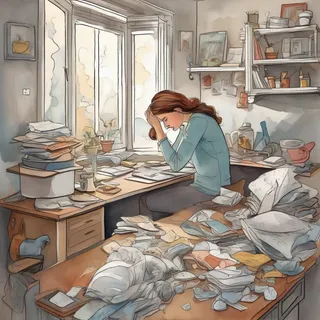
Do you feel anxious before a dental visit or starting something new? Have you ever gotten the jitters before speaking in front of a large group? Or sweaty palms when thinking about the future?
These are common reactions when faced with something scary or unfamiliar, and it doesn’t necessarily mean anything is wrong.
However, some people suffer from more severe anxiety that causes more serious physical symptoms.
To better understand if your anxious feelings could be a sign of anxiety or panic disorder, let’s take a look at some of the symptoms
- If you feel your heart is racing and you can’t breathe correctly, this can be a symptom of anxiety that is severe enough for you to get professional help.
- Some people have uncontrollable fears of crowded places, driving, or germs that cause complete avoidance of places or situations.
- The consistent inability to concentrate can be a symptom of anxiety. However, this must be consistent behavior, not just when you lack sleep or are hungry.
- Nervous behaviors, such as repeatedly walking around the same area or twitching your fingers or toes, can be a symptom.
- A feeling of doom or that something will happen to you, such as an accident, heart attack, or even death, can be symptoms of anxiety or panic disorder.
- Common symptoms include numbness in your hands, fingers, toes, and legs or feeling like you can’t stand.
- If you have trouble swallowing or unusual dry mouth episodes, these may indicate anxiety.
- Fear of people around you and the desire to be alone are feelings that many anxiety sufferers face.
- The inability to leave your home can be a symptom of severe anxiety or panic disorder.
- If your normal activities become overwhelming, you could suffer from anxiety or a panic disorder.
The good news is that these symptoms and conditions are no longer thought of as something people shouldn’t reveal or discuss
There’s help for you if you suffer from anxiety. Many mental health clinics and hospitals offer affordable help if you’re on a lower or fixed income. In addition, your health insurance may help you get treatment, and they cannot reveal your medical treatment to your employer.
As scientists and the medical world become more informed about these disorders, more medications and other forms of relief are found to be effective in treating them. In addition, relaxation techniques are very effective and can even be done at home or in the workplace.
Understanding your condition can help alleviate the stress and fear these panic attacks cause and help you find a solution to stop the attacks altogether. Living in fear of another panic attack will hold you hostage and prevent you from doing the things you love.
If you suffer from some of the symptoms above, seek help from a professional. Get the treatment that can put you back on the road to peace, health, and happiness. You’ll be glad you did!